What quality means on a filling line
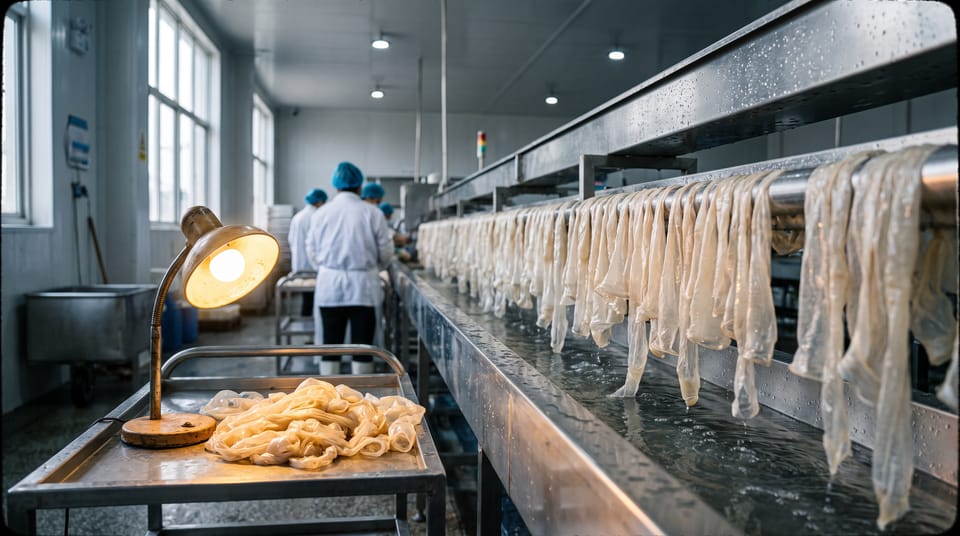
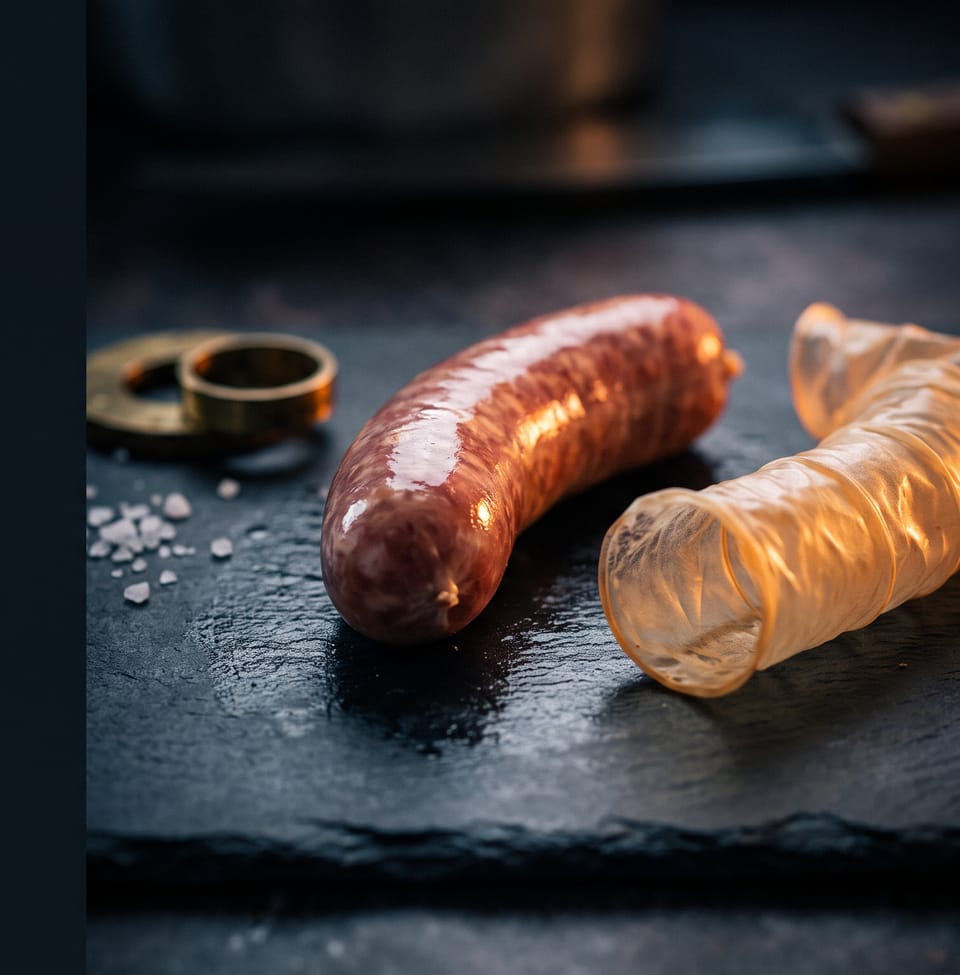
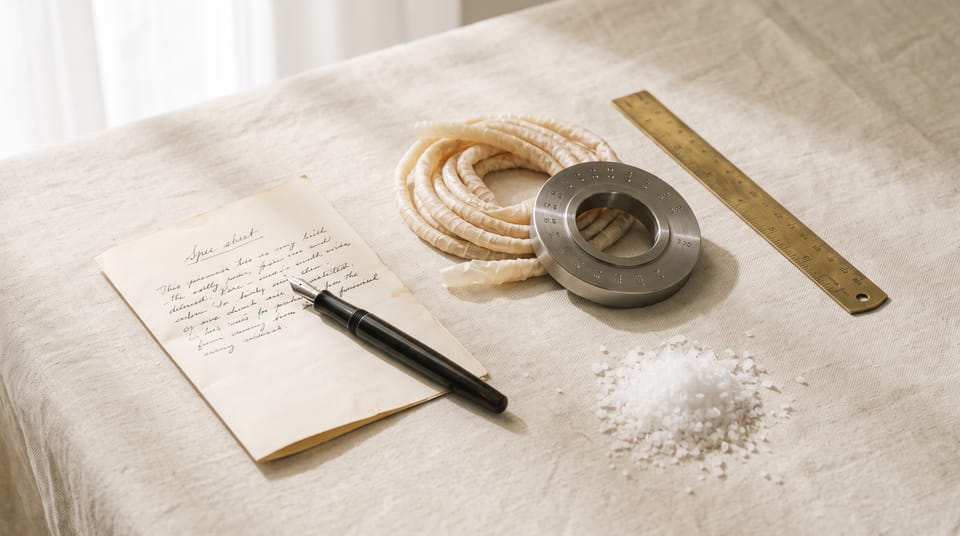
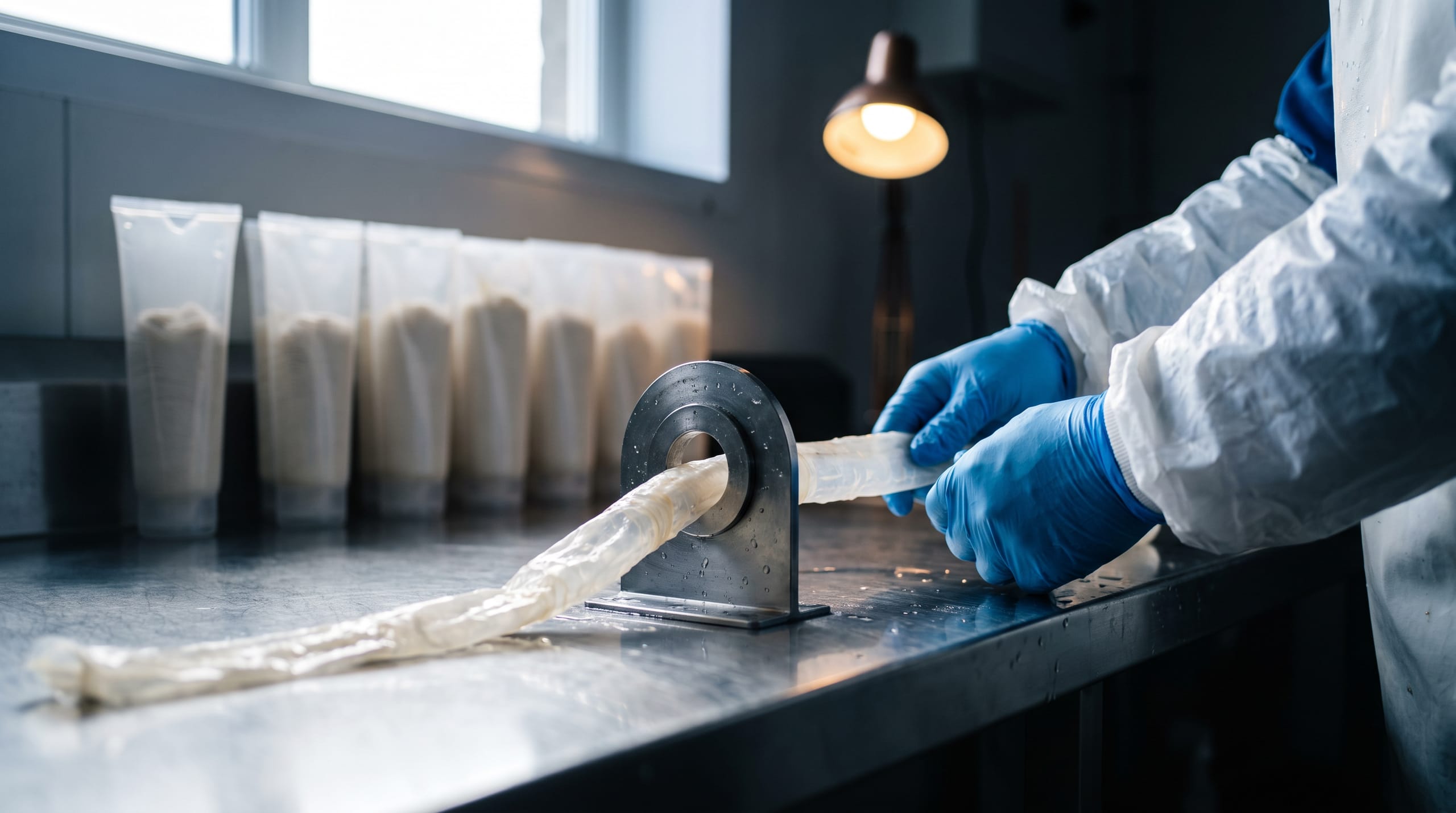
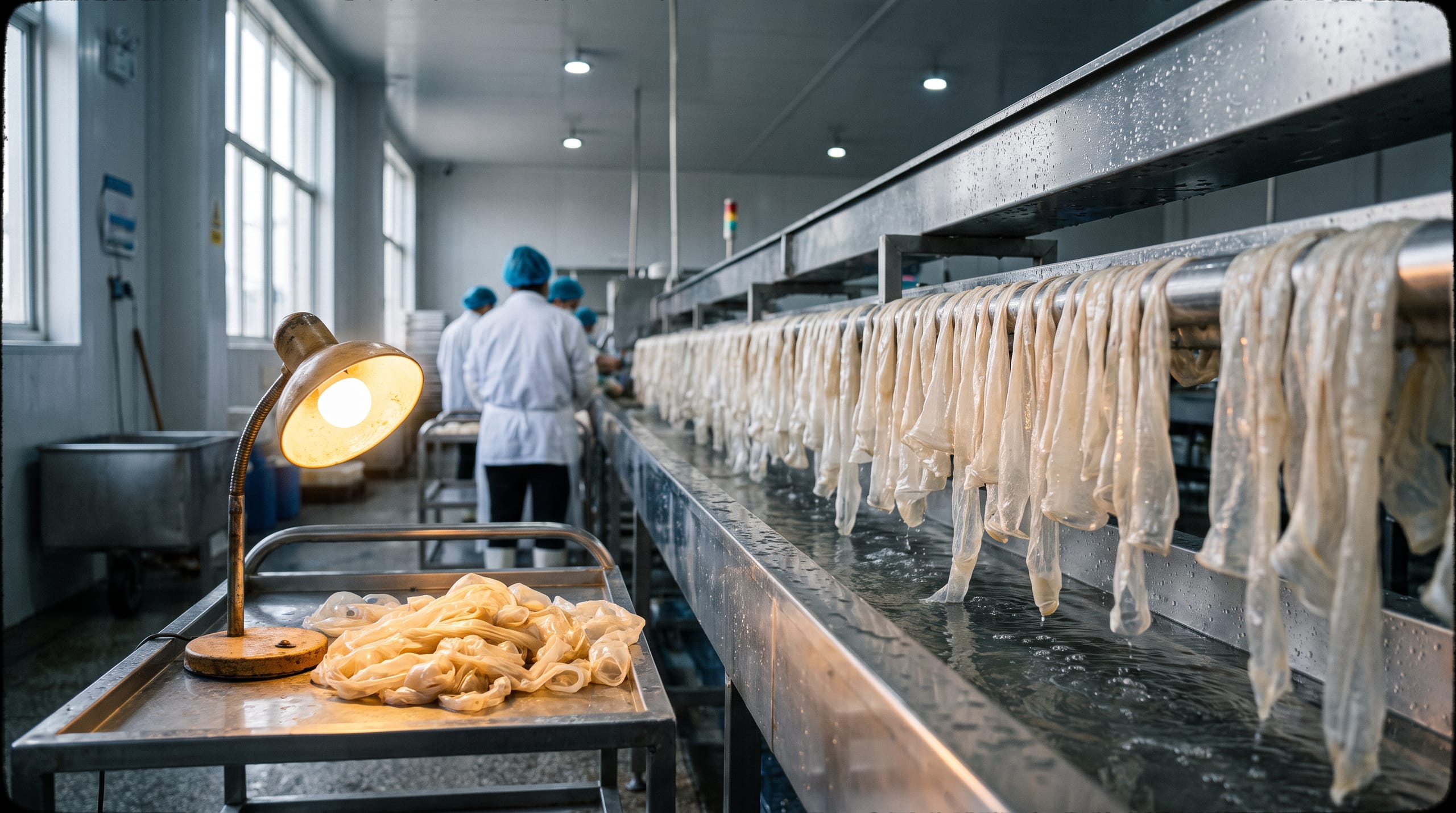
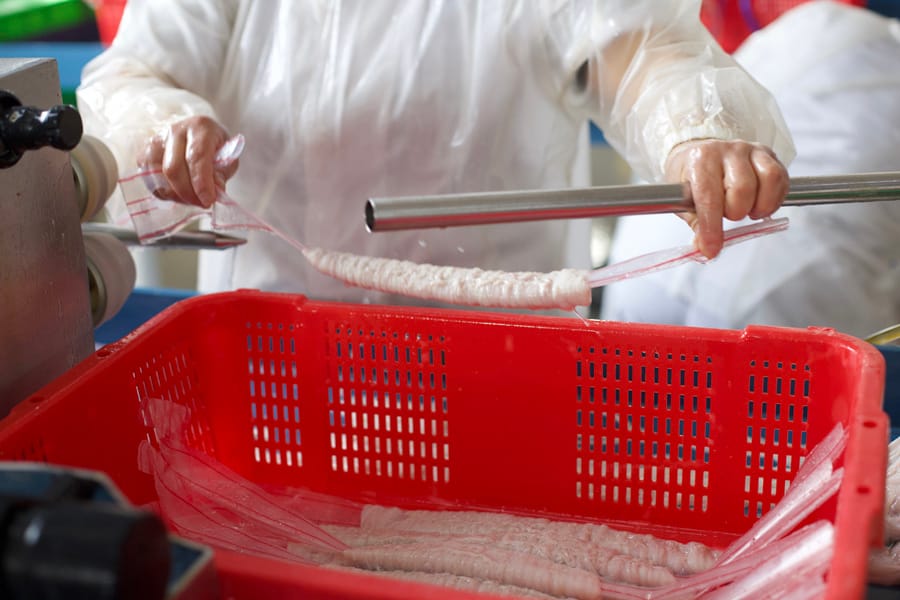
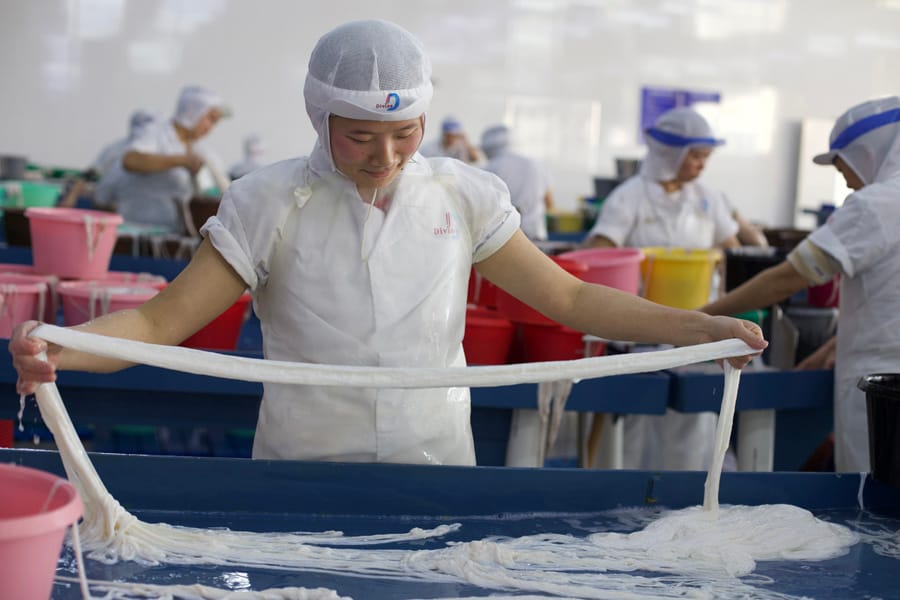
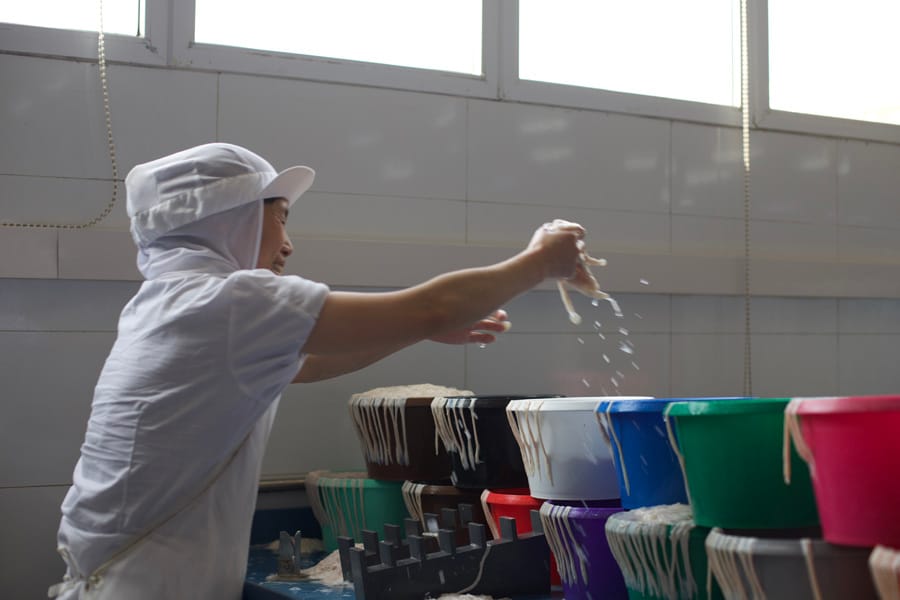
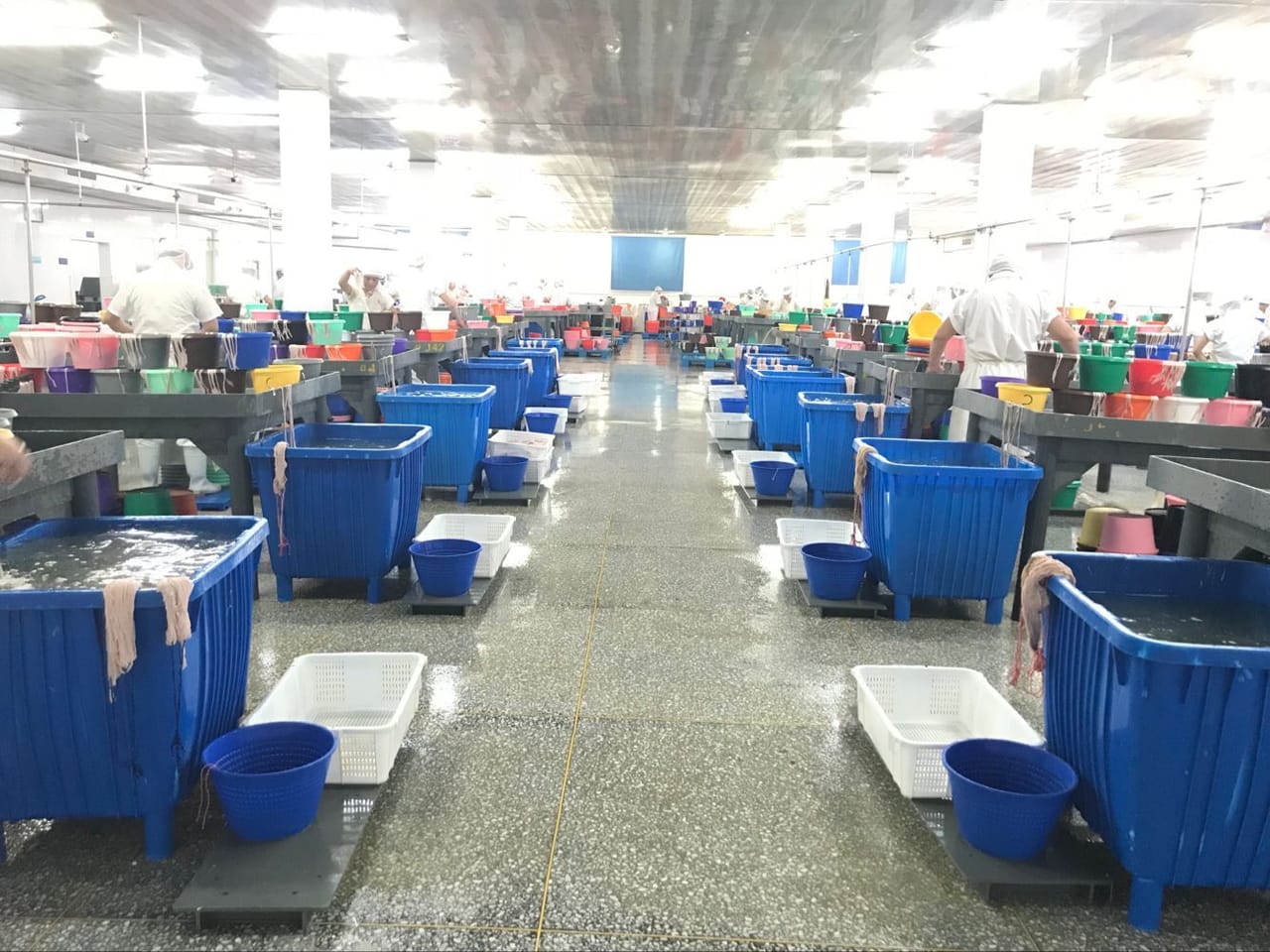
A casing is judged on three things: calibre, length and cleanliness. Calibre decides the diameter of your sausage and the pressure at the stuffer. Length decides how often an operator stops to load a new end. Cleanliness decides yield and the look of the finished product. Teijsen measures all three by hand, end by end, in its own facility. That is slower than machine grading. It is also the reason a lot selected to 2/4 mm behaves the same on the first and the last metre.
Why we own the selection facility
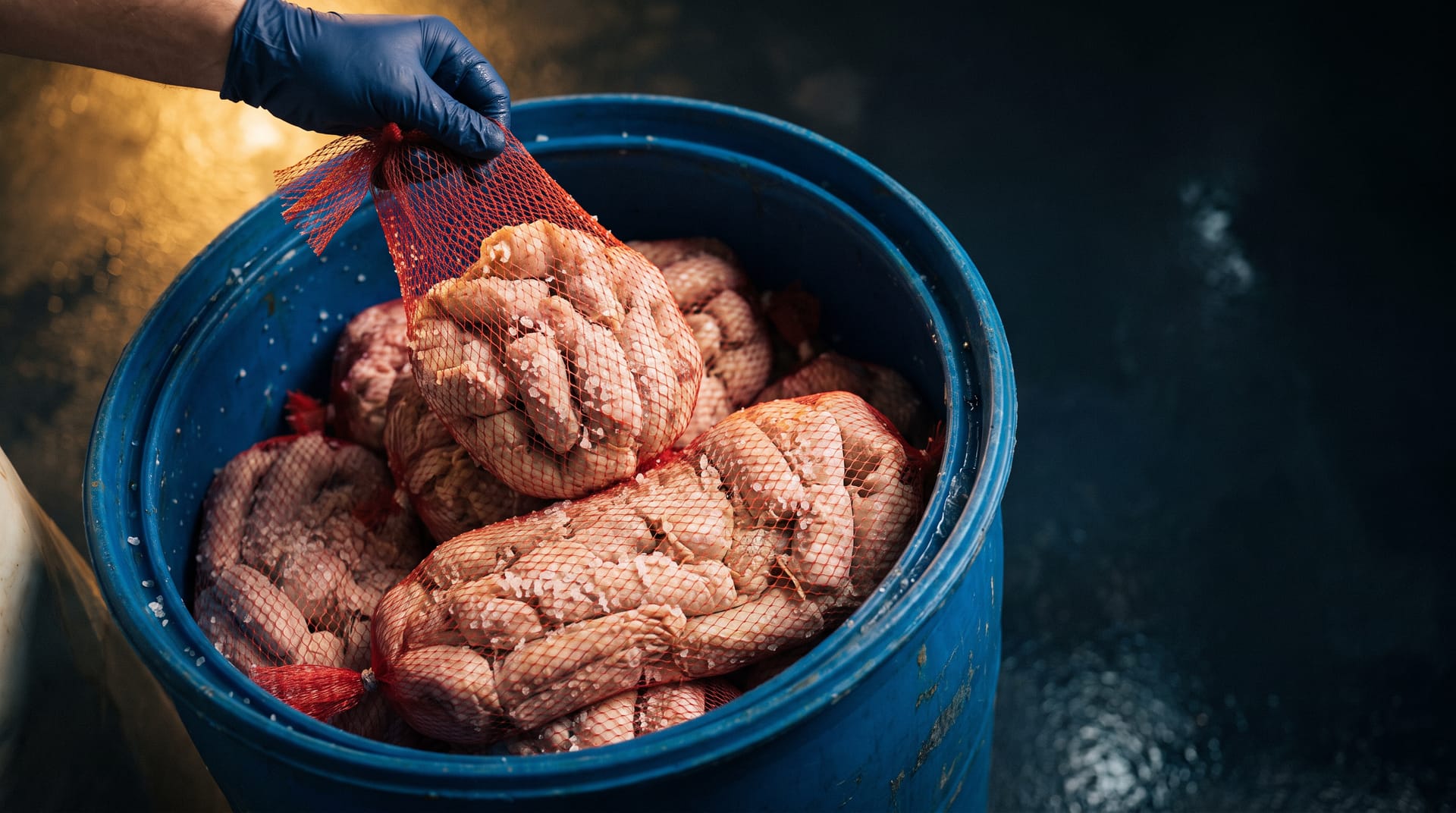
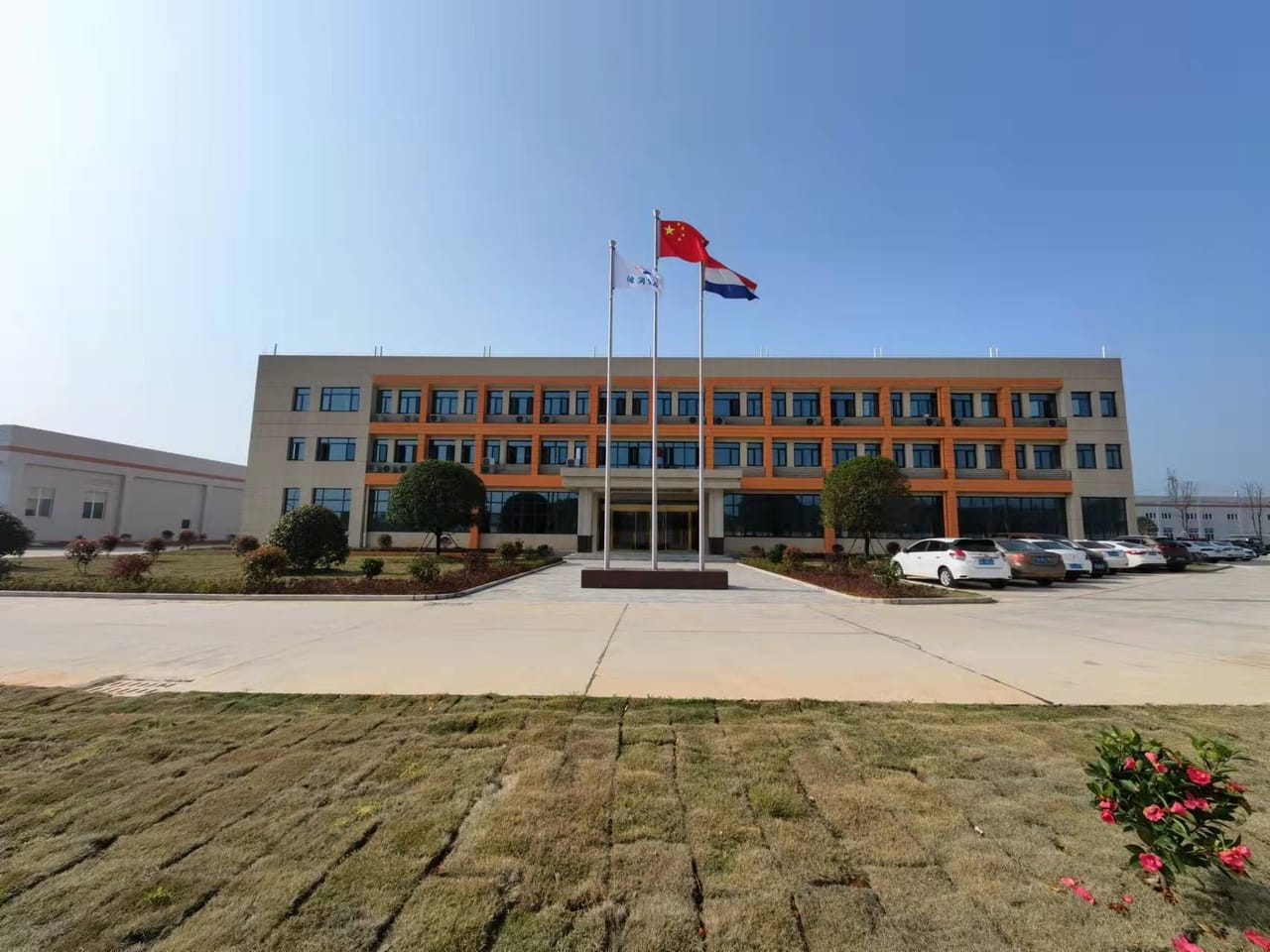
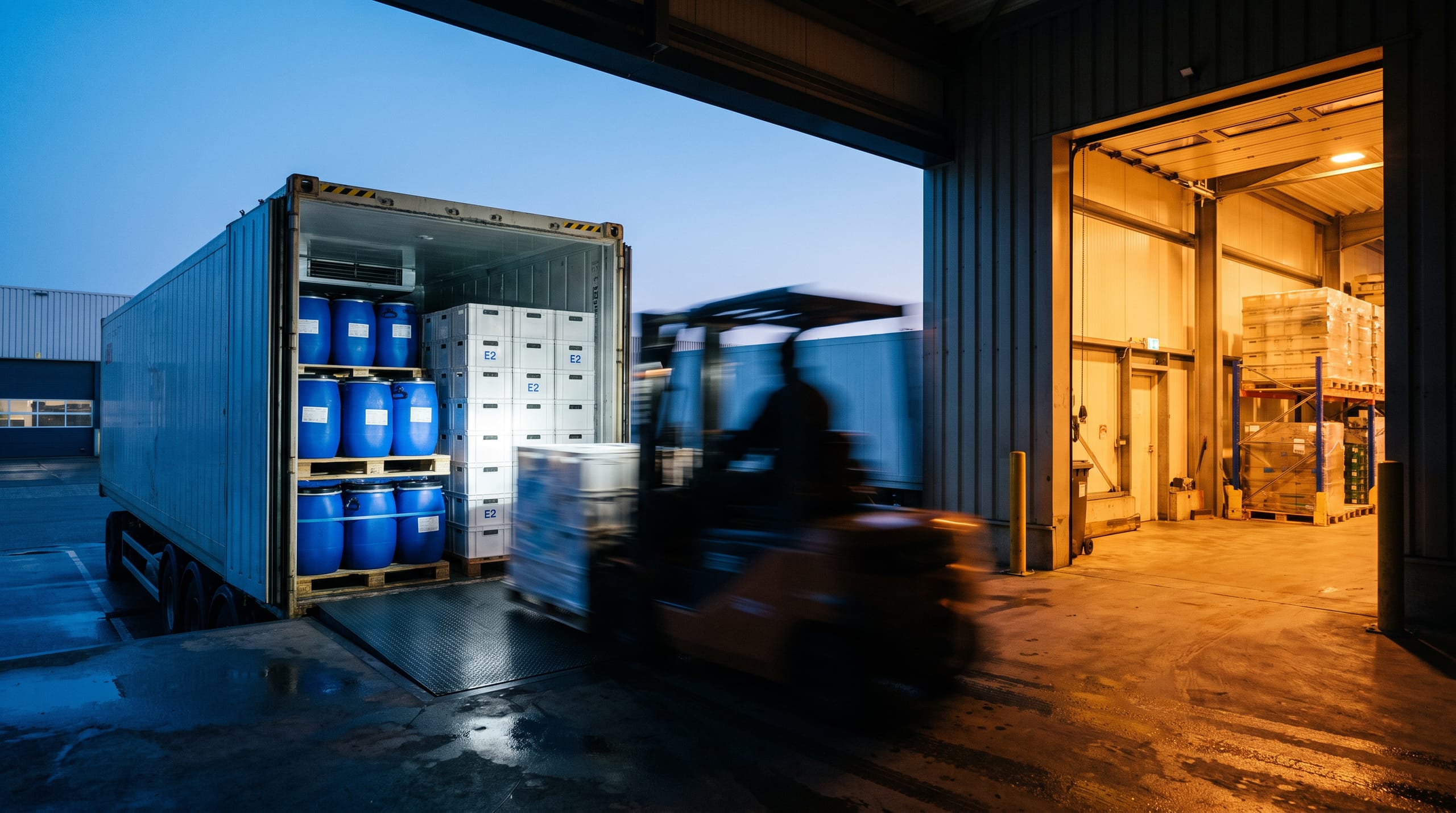
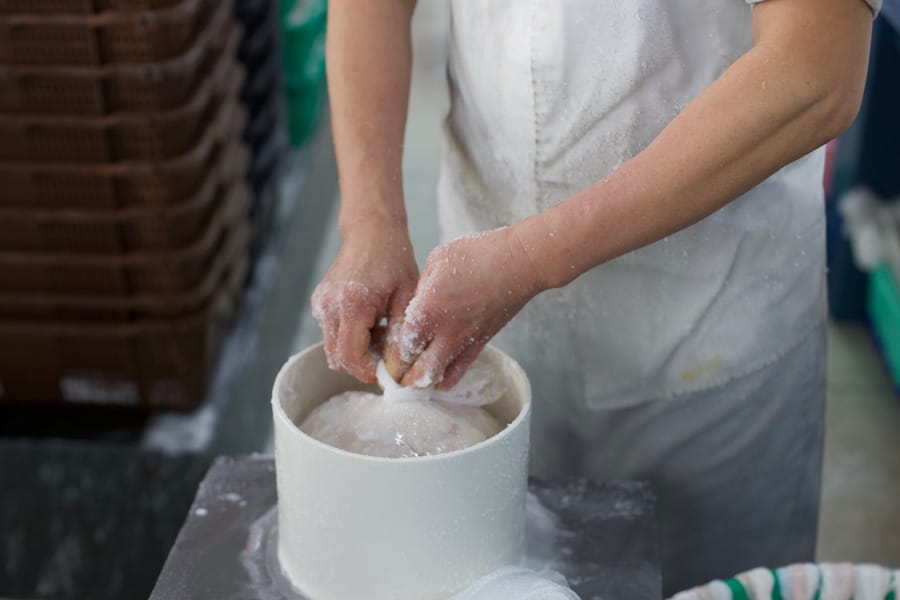
Most exporters buy selected casings from third parties. Teijsen built its own plant in Shaoshan in 2020 so calibre, length and salt content are controlled before a single bundle ships. The facility has its own wastewater treatment, offices and dormitories, and focuses on long-end material. Separate lines keep Chinese, European and North American hog casings apart. Final inspection in Zeewolde closes the loop: what the label says is what the container holds. Read more about both sites.
Certification, year after year
Teijsen has been IFS Food certified every year since 2022. The March 2026 audit by LRQA France SAS confirmed Higher Level with 96.18 %, valid until 31 May 2027. The certificate and the product datasheets are available on the downloads page. For the right way to store and prepare casings after delivery, see storing natural casings and how to prepare natural casings.