
Natural casings · Beef

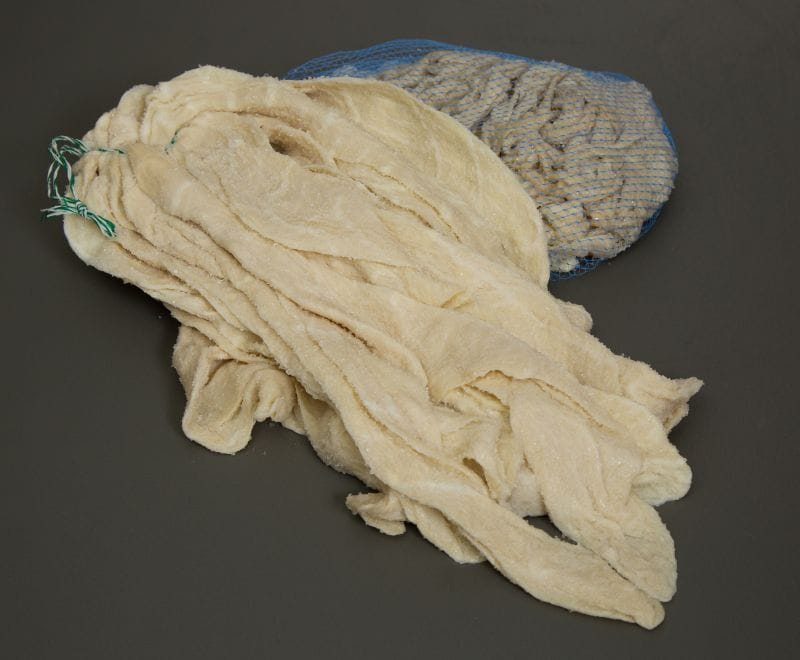
Beef rounds, middles and caps: the casing for large-calibre and dry-cured sausage.

Your sausage. Our case.

Natural beef casings of South American origin, selected in South America and checked in Zeewolde. Three products, three jobs: rounds for curved cooked sausage, middles for dry-cured salami, caps for the largest diameters. Supplied as salted bundles.

  • 3types: rounds, middles, caps
  • Aquality, strict selection
  • 50+countries served
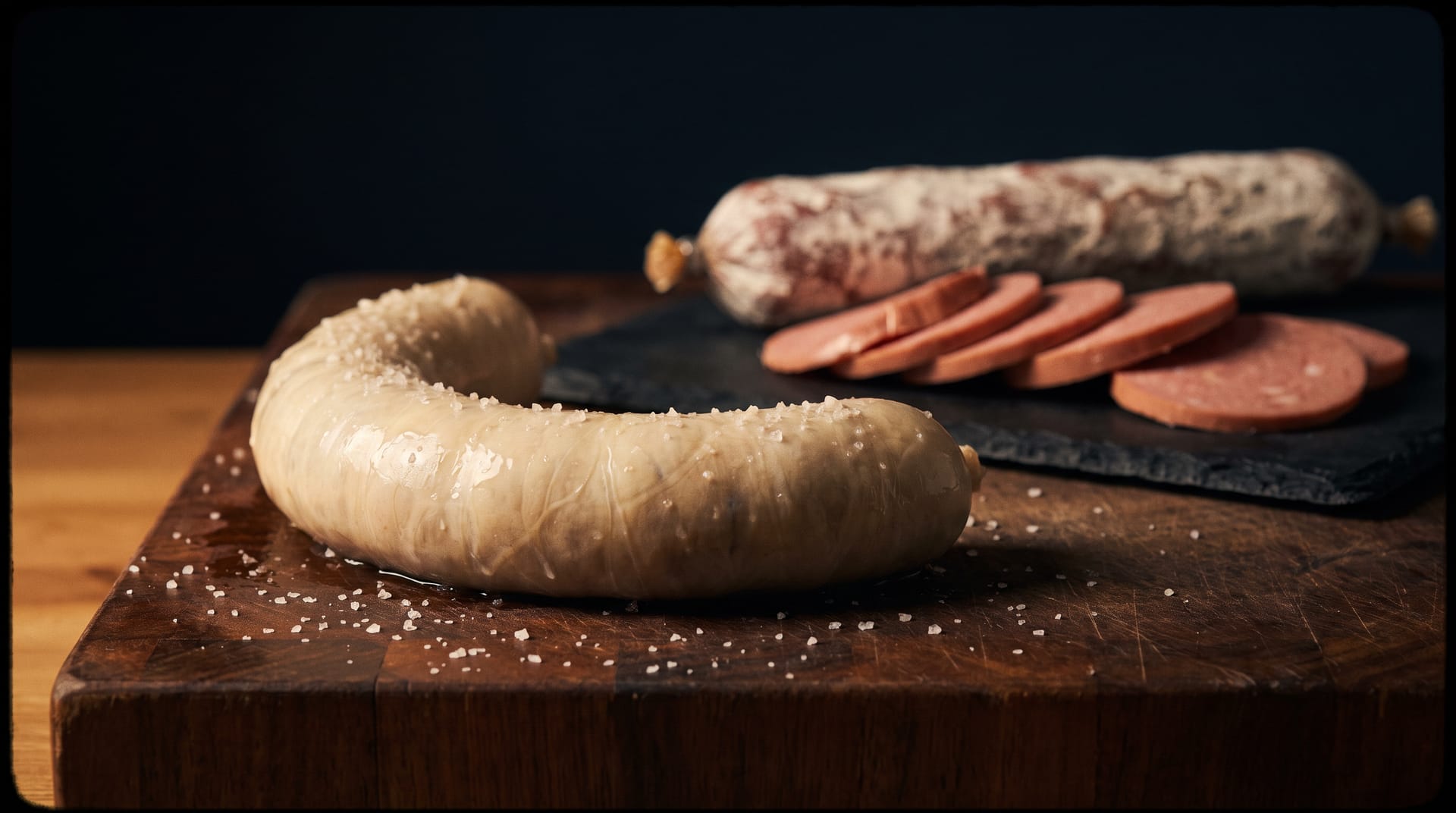
Salted beef rounds in a bundle under warm side light, a ring of bologna out of focus behind them
Natural casings · Beef

In short

Natural beef casings are the cleaned and salted intestines of cattle, supplied as rounds, middles and caps for large-calibre cooked and dry-cured sausages.

Teijsen sources them in South America, where they are also selected, and checks every lot on arrival in Zeewolde. Beef rounds have a natural curve and give bologna, boudin, blood sausage and liver sausage their characteristic ring shape.

Beef middles are straight and fairly thick; they shrink with the sausage as it dries, which makes them the casing for salami, sopressata and bologna. Beef caps are closed at one end and suit the largest diameters, such as capicola, bologna and cooked salami.

All three are strictly selected A quality and shipped as salted bundles. Calibres and lengths are confirmed per lot; ask for the current specification. Samples ship within days, and every bundle is traceable to its plant of origin.

Datasheet

Specifications

Sausages made in this casing

  • Bologna
  • Salami
  • Boudin
  • Blood sausage
  • Liver sausage
  • Sopressata
  • Capicola
  • Cooked salami
Request a sample
Origin
South American origin
Selection facility
South America
Calibration
Strict selection; calibres confirmed per lot, on request
Quality
A quality
Length
On request, per lot
Make-up
Salted bundles
Packing
Per specification; inspected and packed in Zeewolde

Rounds, middles, caps

Three casings, three jobs.

Beef rounds are the most used beef casing. Their natural curve gives a cooked sausage its distinctive ring while filling. Beef middles are straight and fairly thick; they shrink with the product as it dries, so a salami keeps a tight skin for weeks. Beef caps are closer to an appendix: naturally closed at one end, built for the widest calibres. Not sure which species you need? Compare hog, sheep and beef casings.
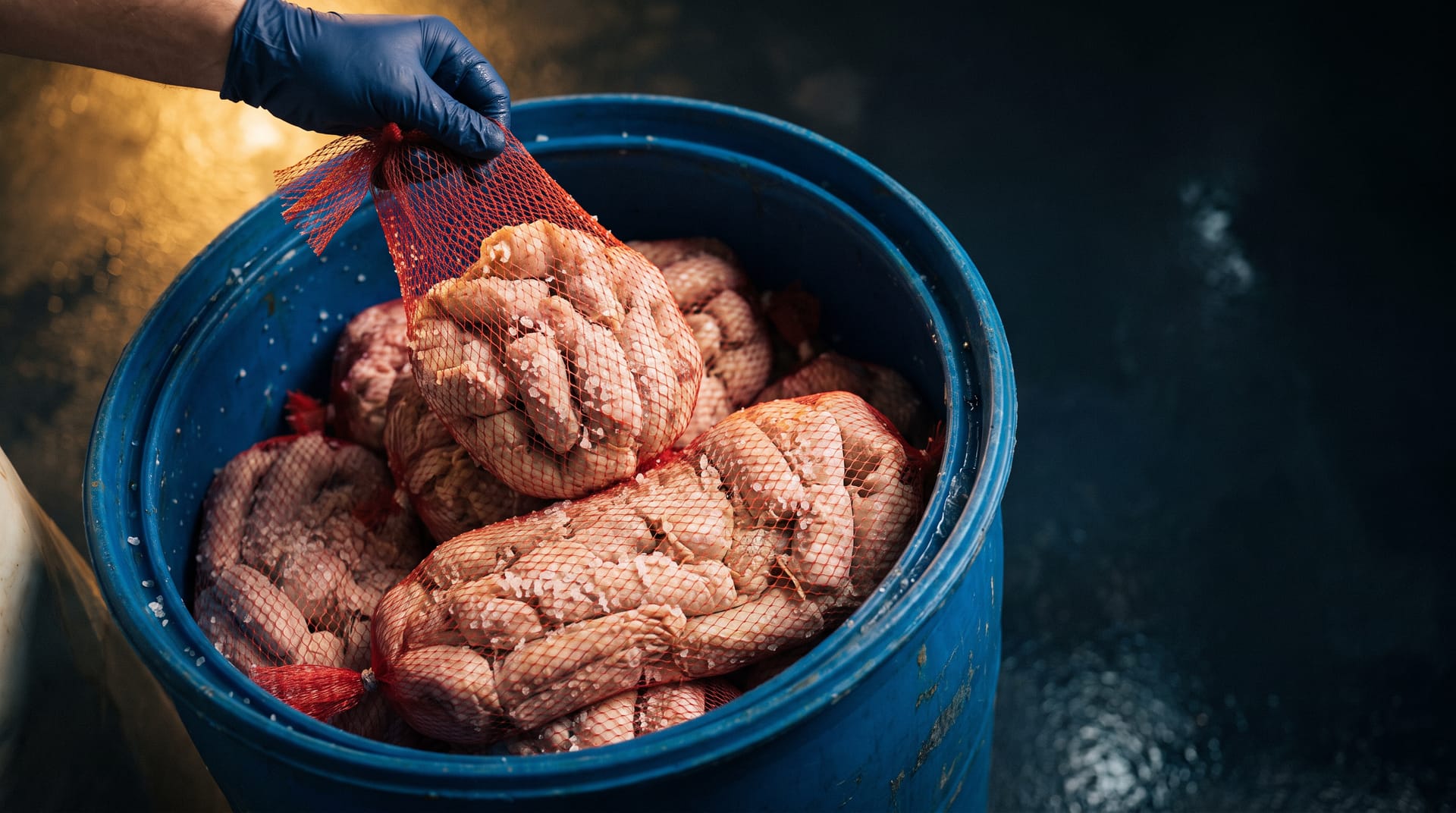
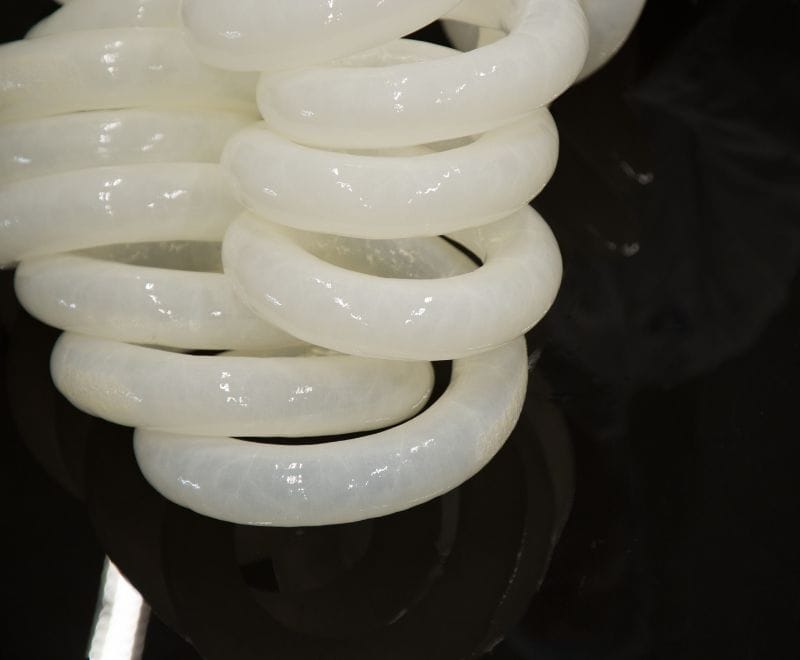
Close-up of salted beef casings in a bundle, coarse salt crystals on the surface

Salted bundles

Salted, bundled, ready to store.

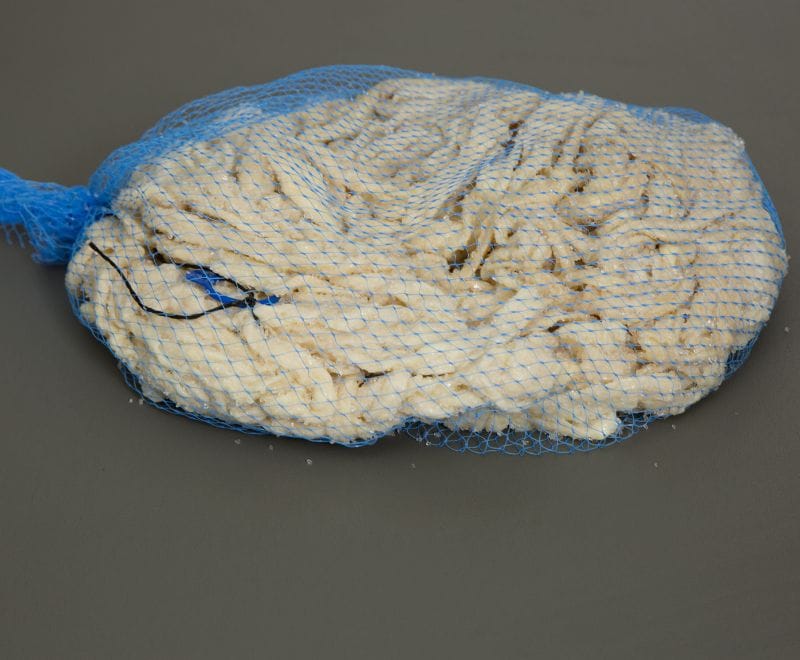
Beef casings leave us as salted bundles: the make-up with the longest shelf life and the lowest cost per metre. Soak and rinse before use, and keep the rest cool and in salt. The steps are in how to prepare natural casings and storing natural casings.
Barrels of salted casings being loaded into a container at the Zeewolde warehouse

What a beef casing has to do on your line

Beef casings carry the biggest sausages and the longest processes. A round must hold its curve through cooking so a bologna or boudin ring comes out even. A middle must be thick enough to take a long drying period and shrink with the salami instead of separating from it. A cap must stay closed at its natural end under the weight of a large cooked salami or capicola. On all three, calibre and wall strength decide yield at the stuffer and appearance on the shelf. Teijsen supplies strictly selected A quality in each.

How we select and ship

  1. Sourcing from slaughter plants in South America that we work with directly.
  2. Selection in South America: rounds, middles and caps are separated, cleaned and strictly selected before salting.
  3. Salting and bundling as salted bundles, the make-up with the longest shelf life. Why we choose it for beef is explained in soft tubes versus salted bundles.
  4. Inspection and packing on arrival in Zeewolde, under IFS Food Higher Level (96.18 % in the 2026 audit).
  5. Shipping worldwide in full container loads, with every bundle traceable to its plant of origin.

Sausages made in beef casings

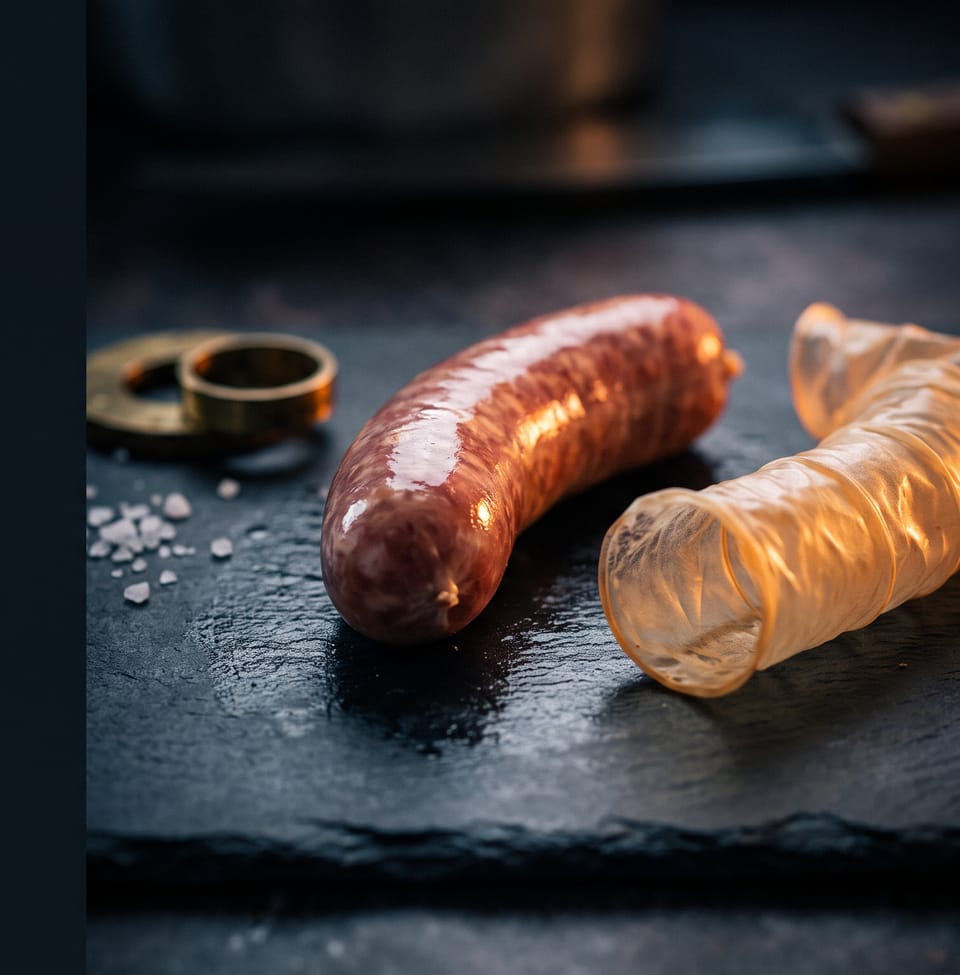
Beef rounds: bologna, boudin, blood sausage and liver sausage. Beef middles: salami, sopressata and straight bologna. Beef caps: capicola, bologna and cooked salami in the largest diameters. The calibre and length of each lot are confirmed on request, so state your product and target diameter when you request a sample. If you are new to natural casings, start with what natural casings are and the calibre guide.
FAQ

Frequently asked questions

Specifications are confirmed per lot. Ask for the current datasheet.

What is the difference between beef rounds, middles and caps?

Rounds are curved and give cooked sausages such as bologna and boudin their ring shape. Middles are straight and thicker and shrink with a drying salami. Caps are closed at one end and suit the largest diameters, such as capicola and cooked salami.

Which beef casing do I use for salami?

Beef middles. They are fairly thick and shrink together with the sausage as it dries, so the skin stays tight. Sopressata and bologna in a straight shape also run in middles. For very large cooked salami, use beef caps.

Where do your beef casings come from?

From South America, where they are also selected. Every lot is checked again on arrival in Zeewolde, the Netherlands, before it ships to your plant.

How are beef casings supplied and packed?

As salted bundles, strictly selected A quality. Packing follows your specification. Calibres and lengths are confirmed per lot; ask for the current specification.

Can I request a sample of beef rounds, middles or caps?

Yes. Use the sample form and state the product, calibre and your sausage type. Samples ship within days and our sales team follows up.

Refrigerated container at the Zeewolde loading dock at dusk, barrels and E2 crates on pallets

Samples and specifications

Ask for a sample in your calibre.

State calibre, length, make-up and sausage type. Samples ship within days and are followed up by our sales team.

Request a sample sales@teijsen.com

+31 88 666 9888 · Zeewolde, Netherlands

Request a sample