What a hog casing has to do on your line
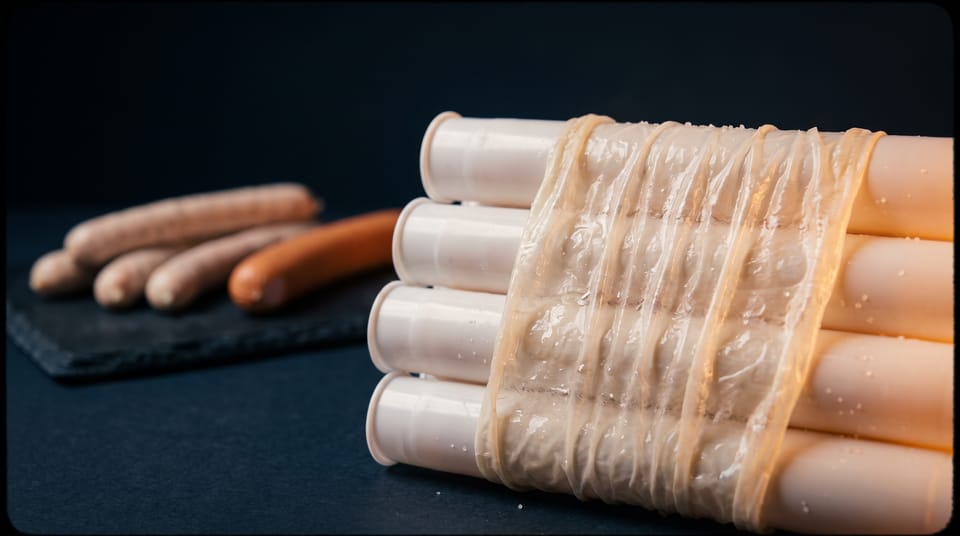
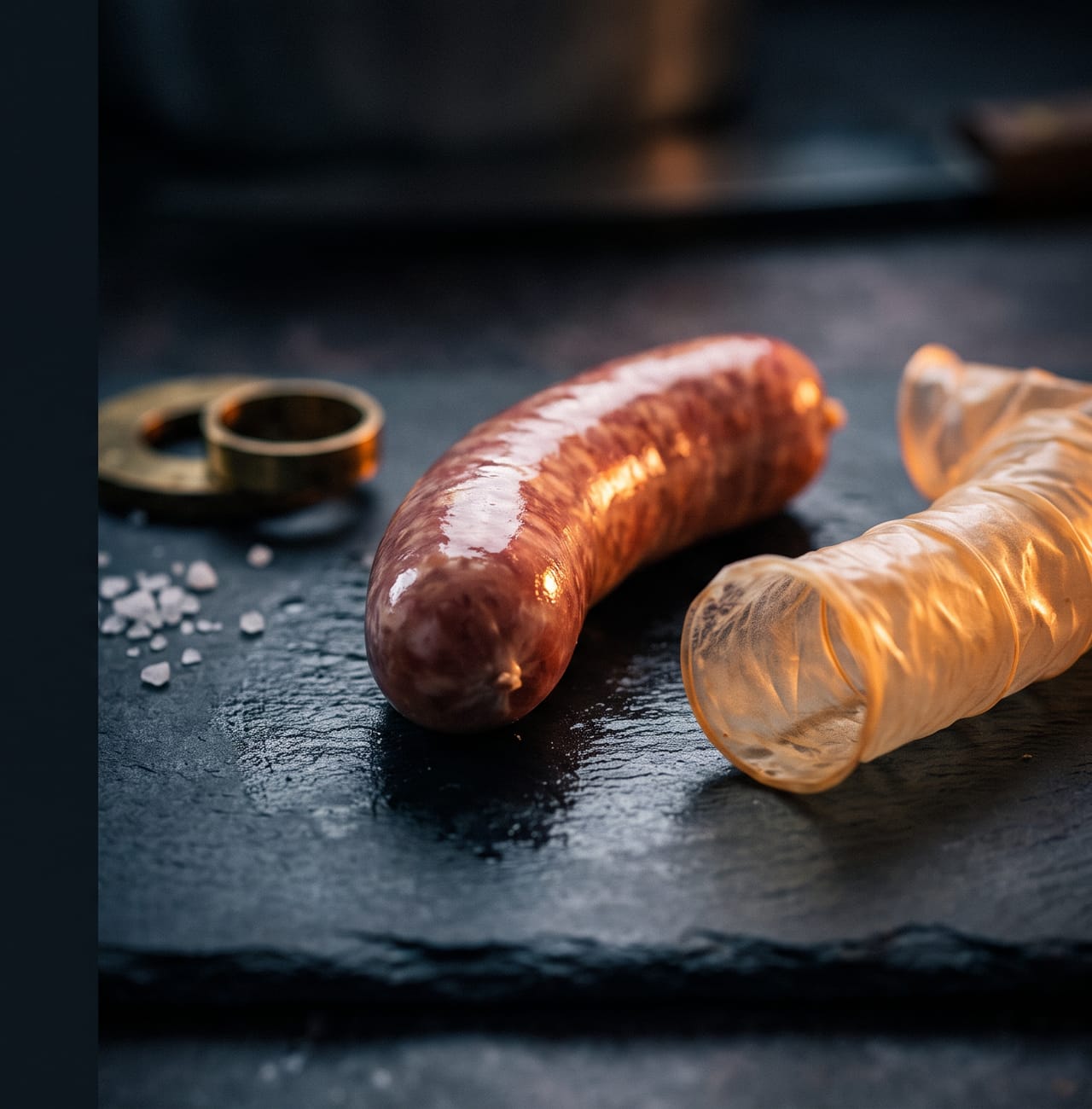
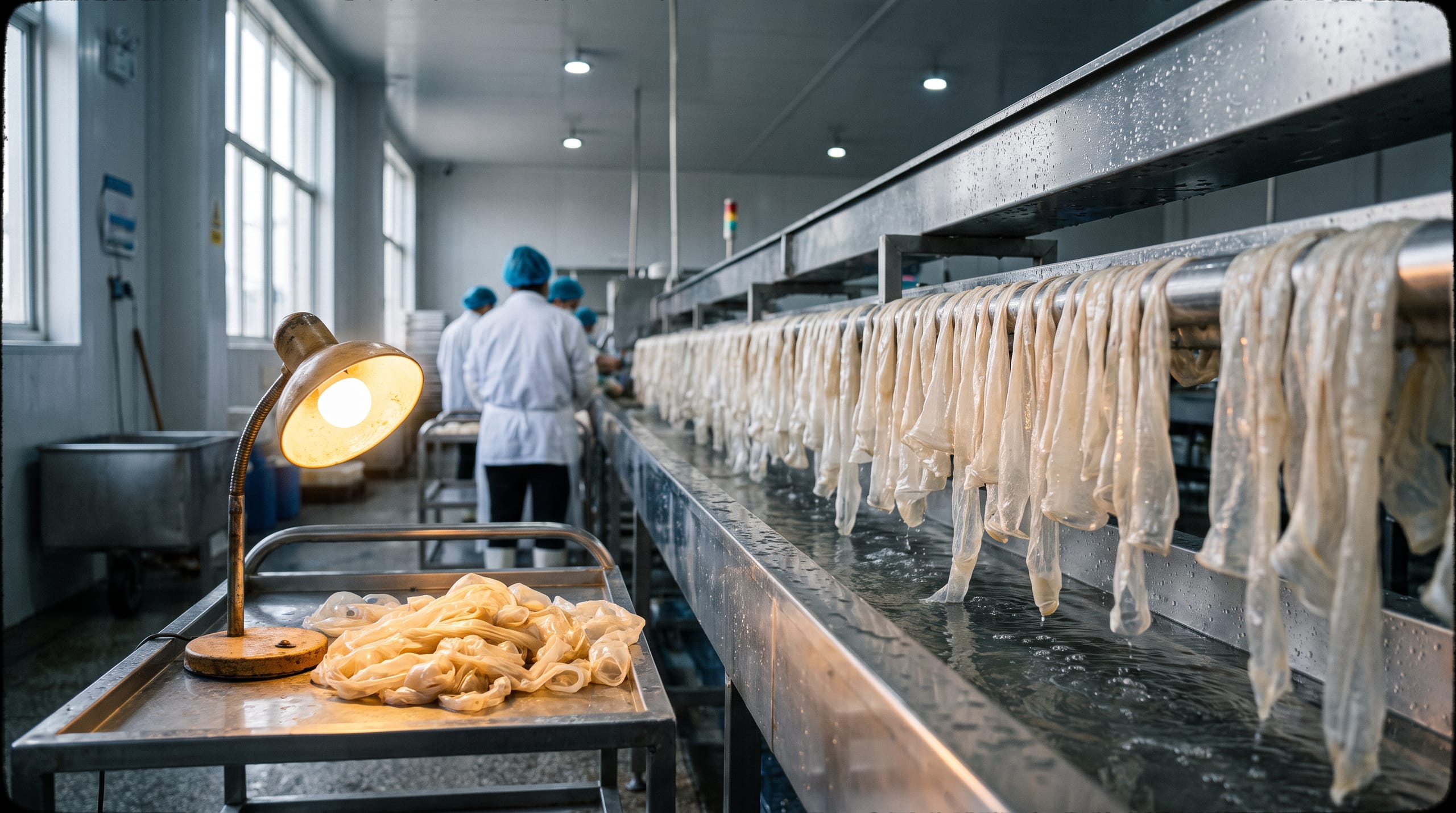
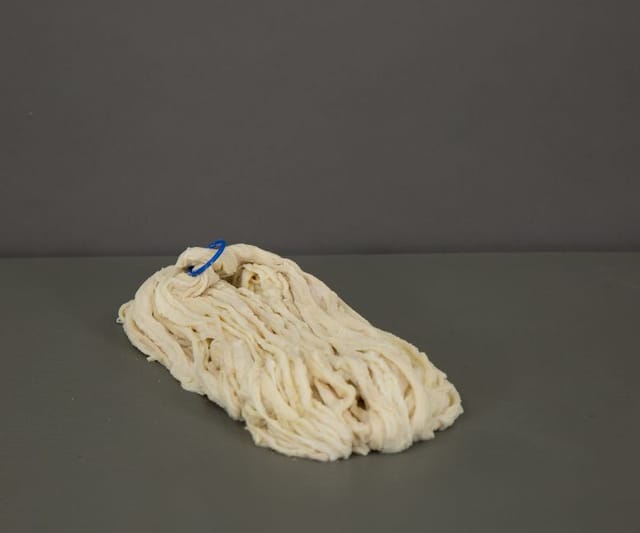
A natural hog casing is judged on three things: calibre, length and cleanliness. Calibre decides the diameter of the sausage and the pressure the casing takes at the stuffer. Length decides how often an operator has to stop and re-load. Cleanliness (whiskers, fat, holes) decides yield and appearance. Teijsen selects on all three, by hand, in its own facility in Hunan, and checks every lot again on arrival in Zeewolde.
How we select
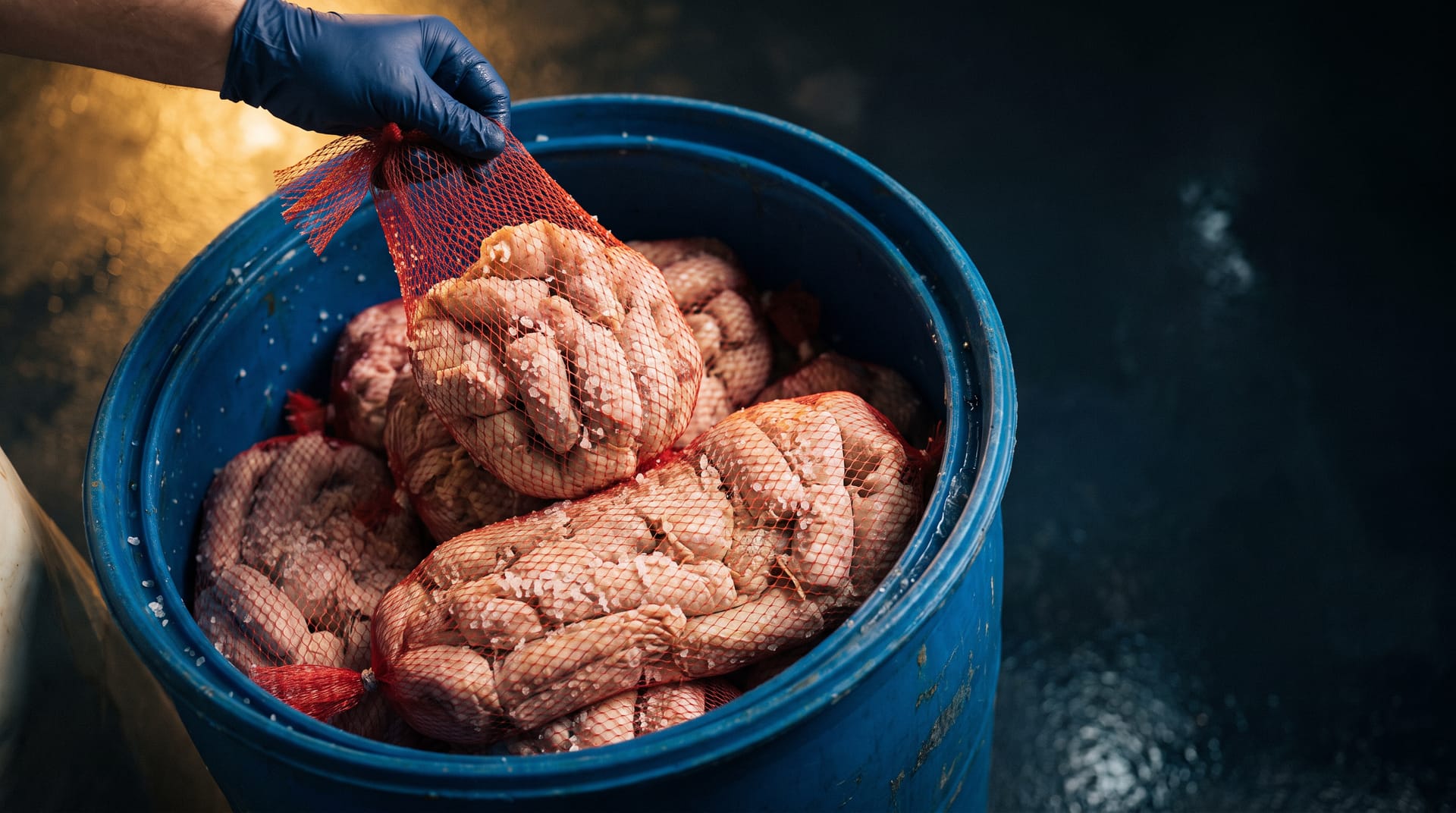
- Sourcing from slaughter plants we audit ourselves in Europe, North America and China.
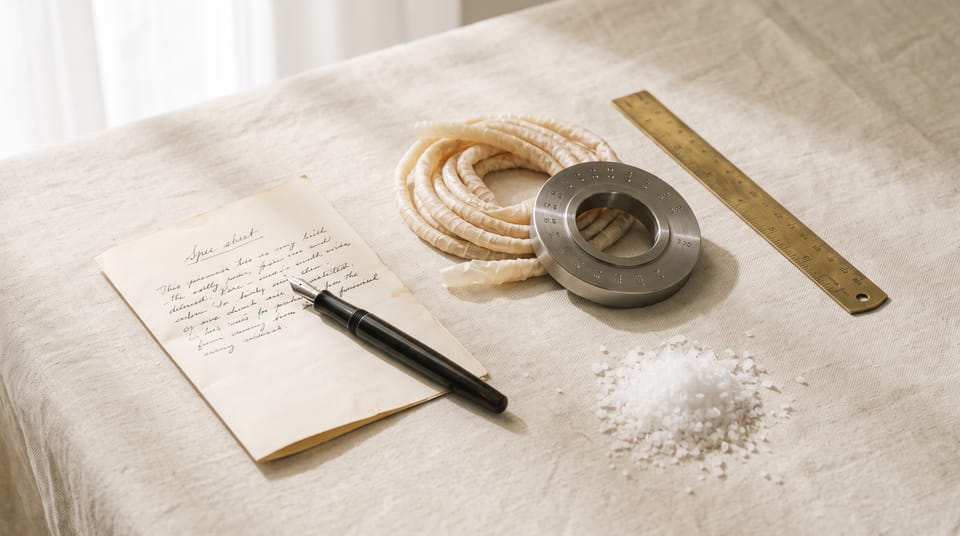
- Desalting and grading in Shaoshan: every end is measured against a calibre gauge and sorted into 2 mm steps.
- Length sorting separates XXL material (14 m+) from standard lengths.
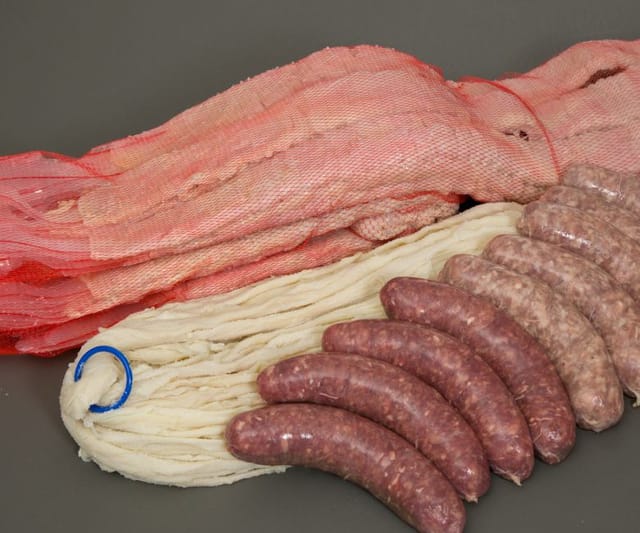
- Make-up as salted bundles in nets, soft tubes or easy fill, to your specification.
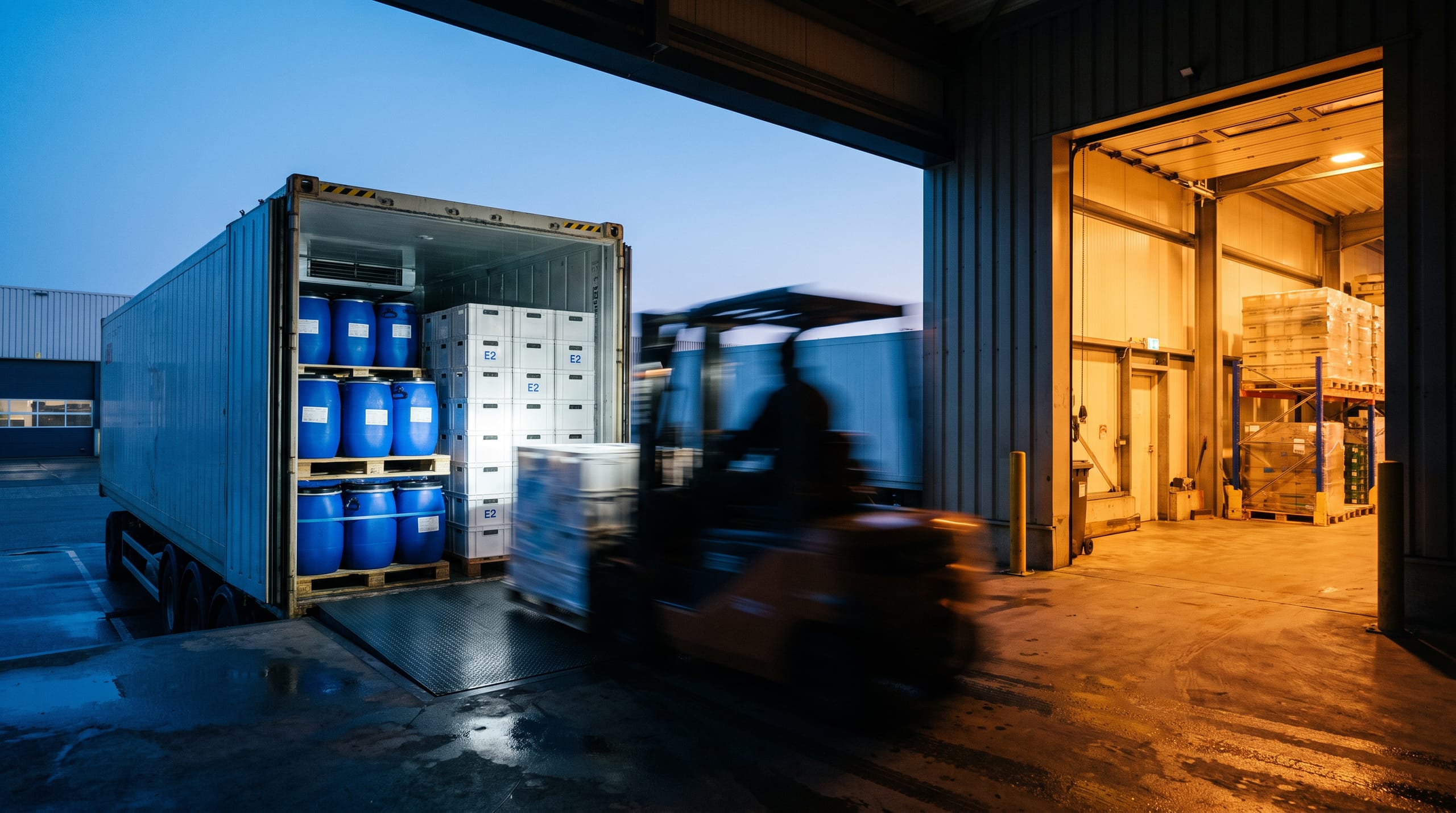
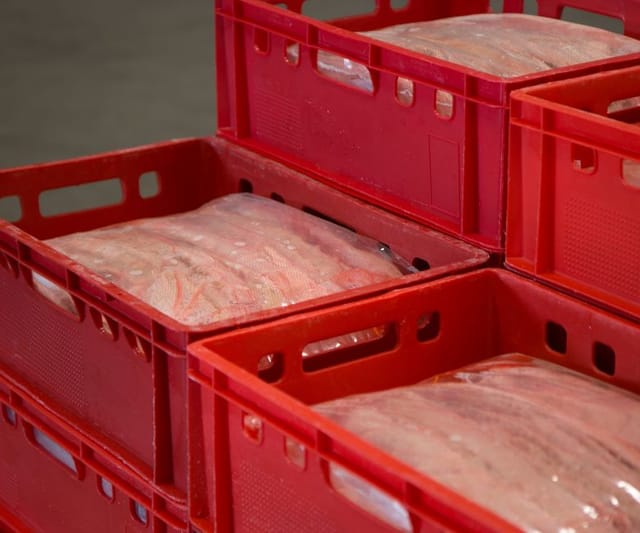
- Inspection and packing in Zeewolde before the container closes, under IFS Food Higher Level (96.18 % in the 2026 audit).
Sausages made in hog casings
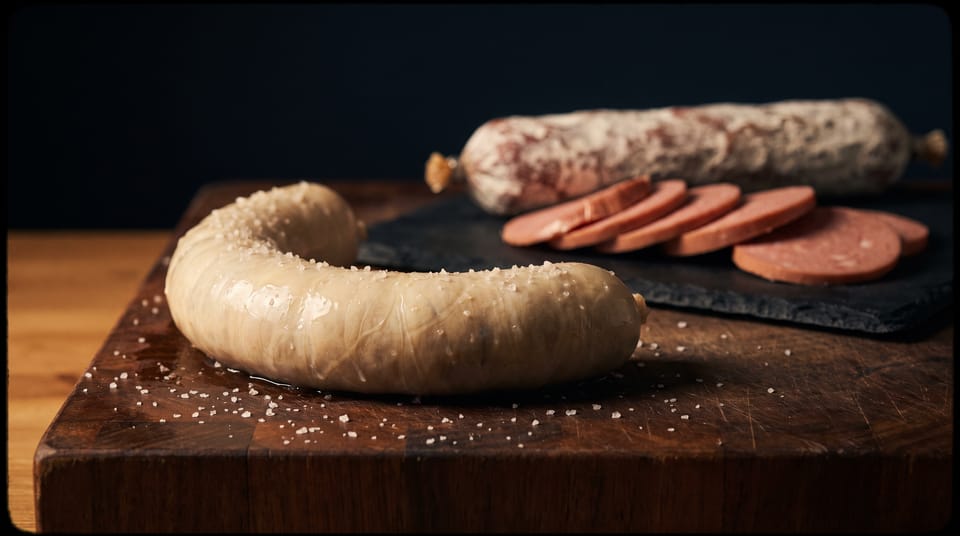
Bratwurst and Thüringer in 28/30 to 32/34 mm, fresh sausages and Toulouse in 30/32 to 34/36, pepperoni and chorizo in 32/34 to 38/40, Weisswurst and Bockwurst in 34/36 to 40/42. See the calibre guide for the full table, or compare hog, sheep and beef casings if you are choosing between species.