What a sheep casing has to do on your line
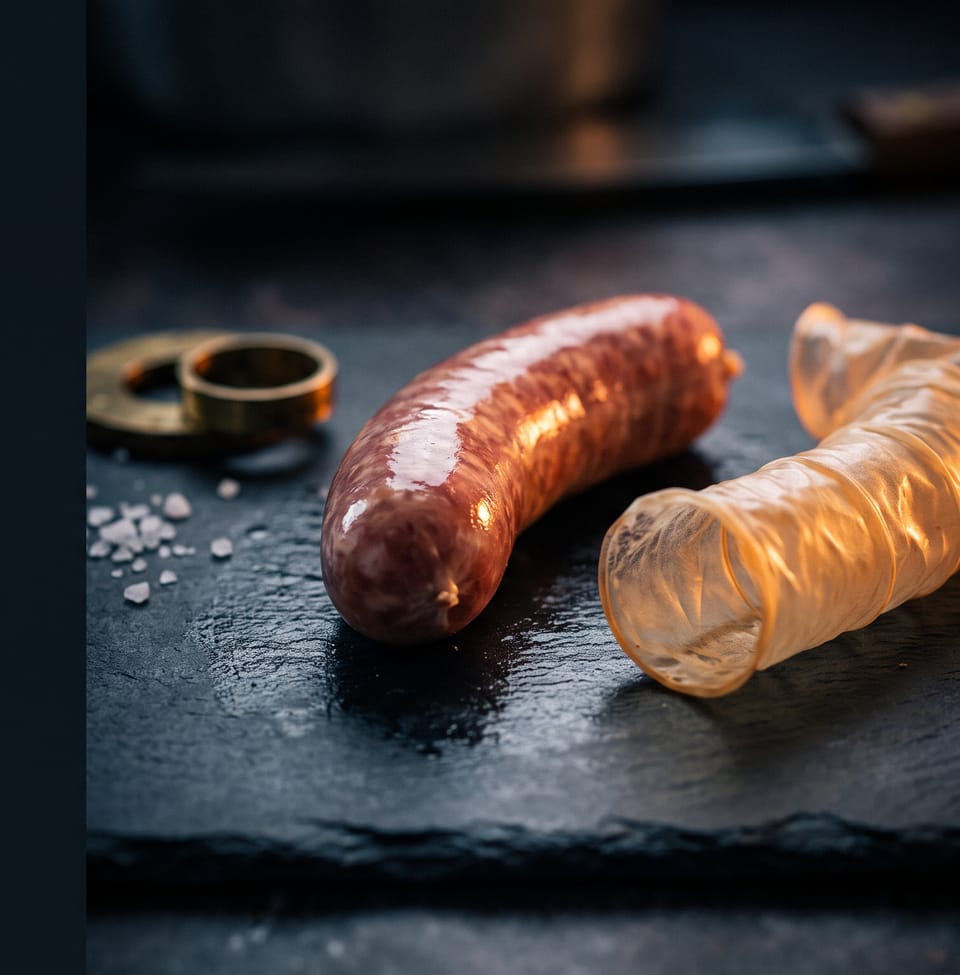
A sheep casing is the thinnest natural casing, and the one that shows every flaw. It has to be uniform in calibre, because a hot dog line fills hundreds of pieces a minute and a 2 mm deviation changes the weight of every one. It has to be long, because reloading a thin casing costs more time than reloading a hog casing. And it has to be clean and strong, so it takes the pressure at the stuffing horn and the heat in the smokehouse without bursting. Teijsen selects on all three, by hand, in Shaoshan, and checks every lot again in Zeewolde.
How we select
- Sourcing from slaughter plants in China, Australia and New Zealand that we audit ourselves. The origins are kept apart from intake to shipment.
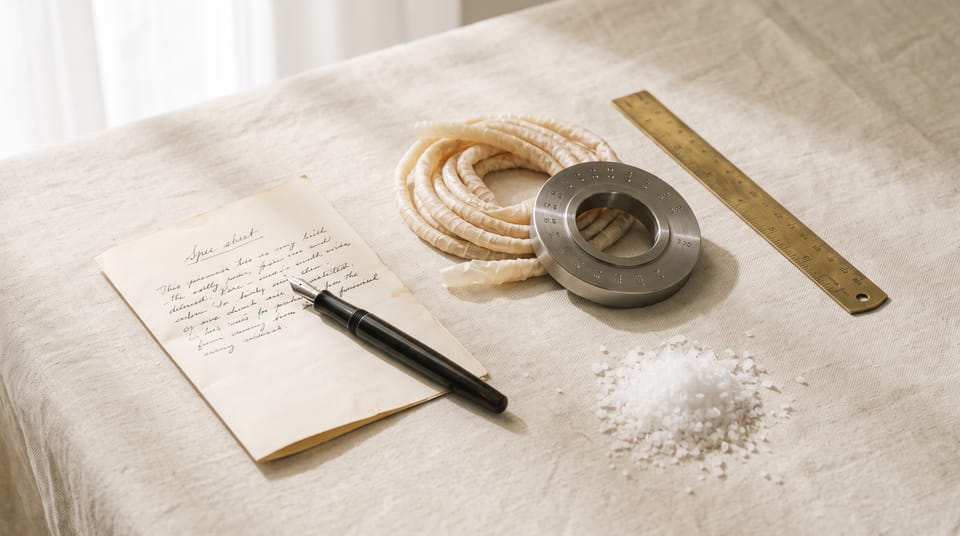
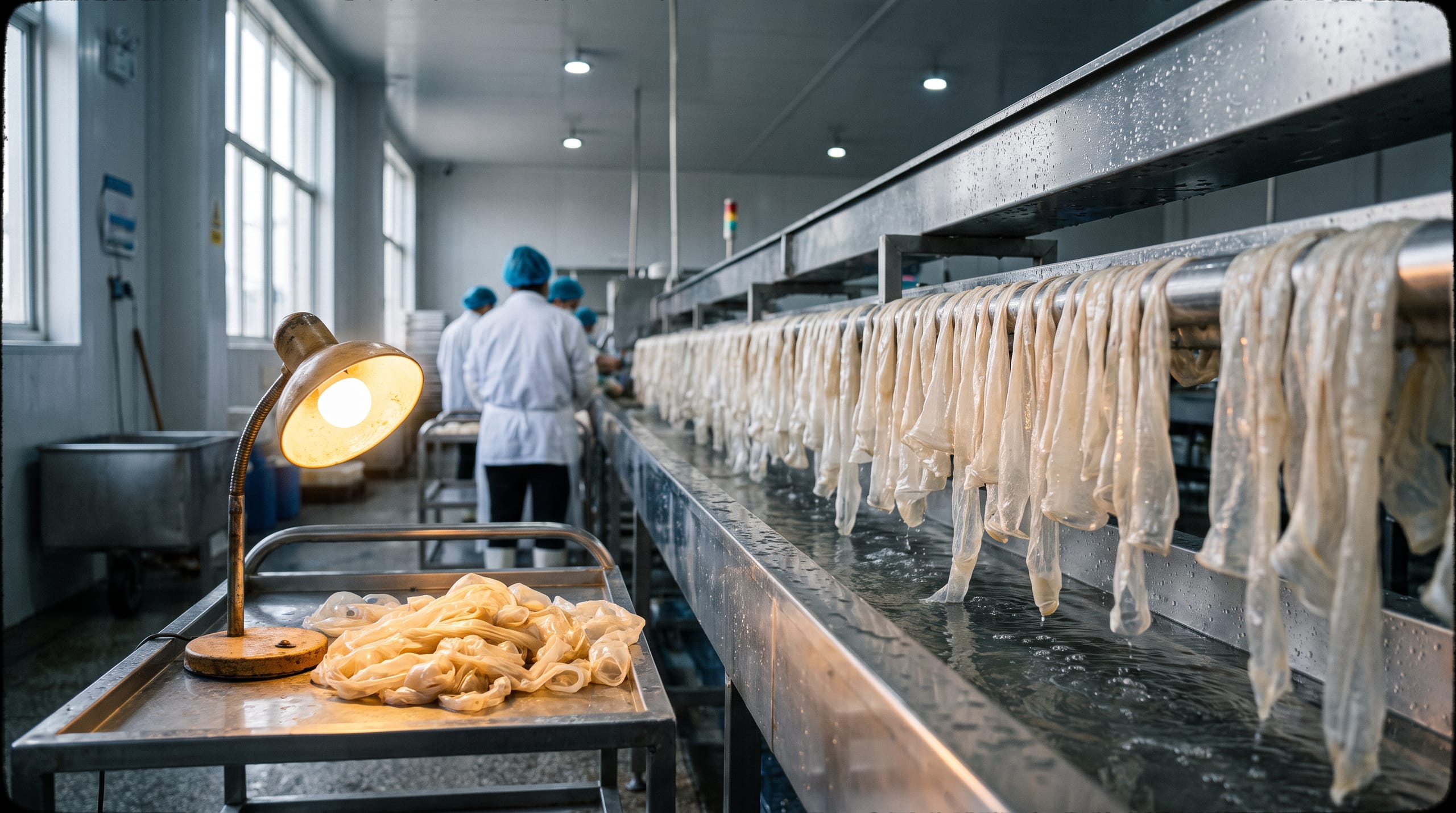
- Desalting and grading in Hunan Divine Foodstuff Technology: every end is measured against a calibre gauge and sorted in 2 mm steps, then graded AA, A or AB.
- Length sorting separates 7, 10, 13 and 16 m+ material. Read why long-end casings pay back on an automatic line.
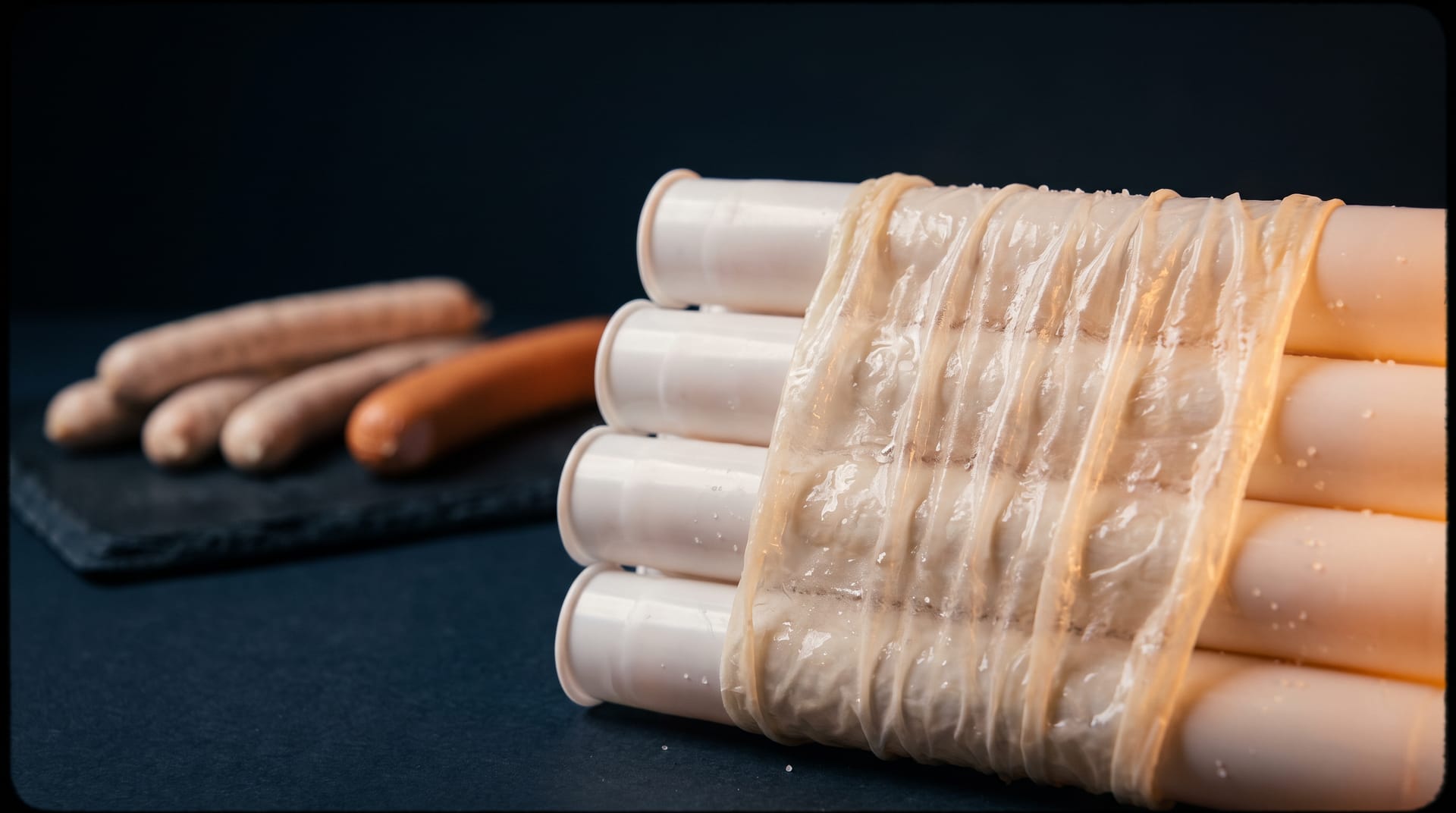
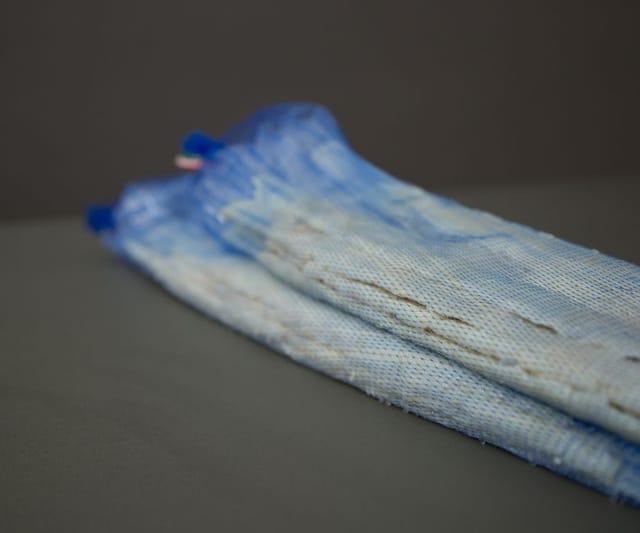
- Make-up mainly on soft tubes; salted bundles or pipes on request.
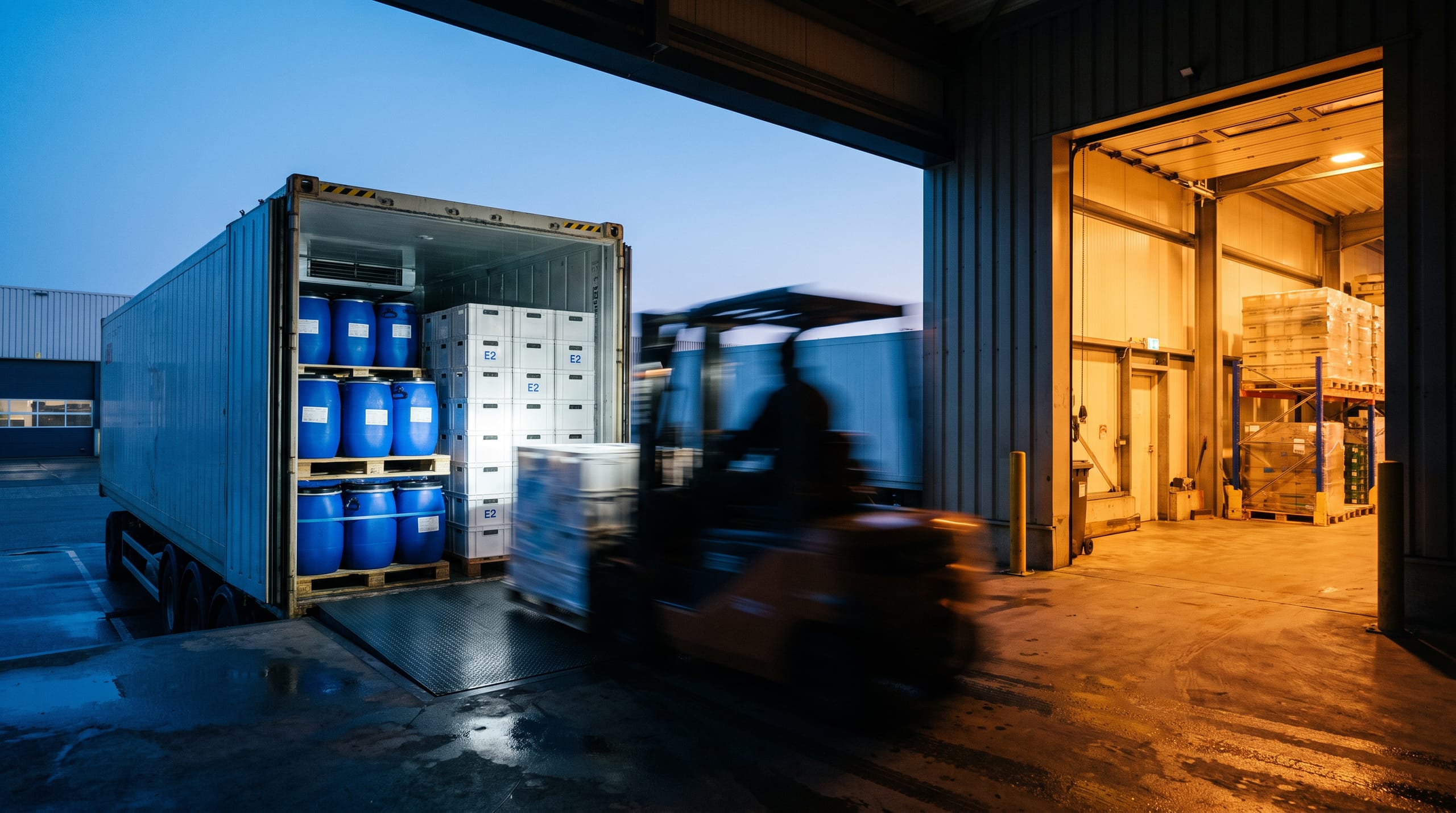
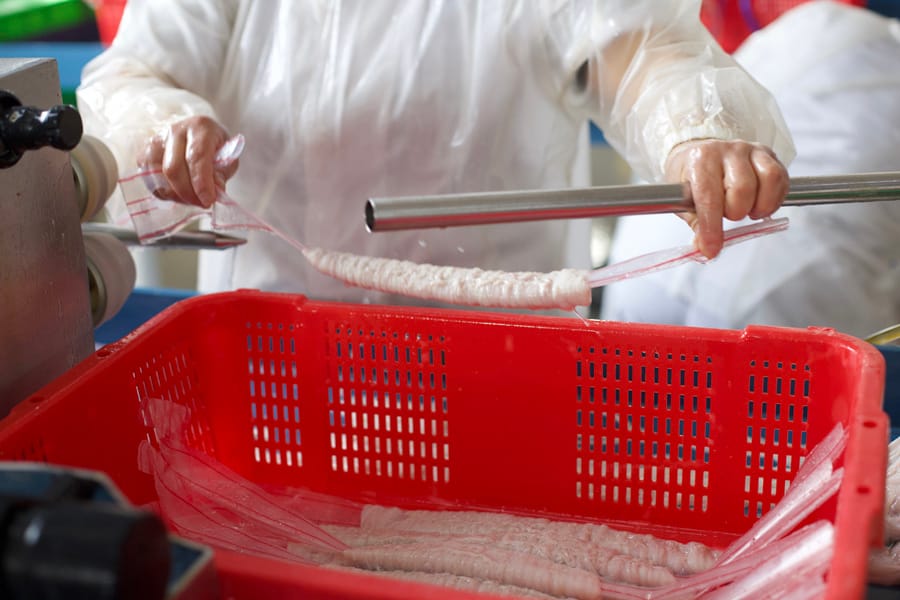
- Inspection and packing in Zeewolde, under IFS Food Higher Level (96.18 % in the 2026 audit), before the container closes.
Sausages made in sheep casings
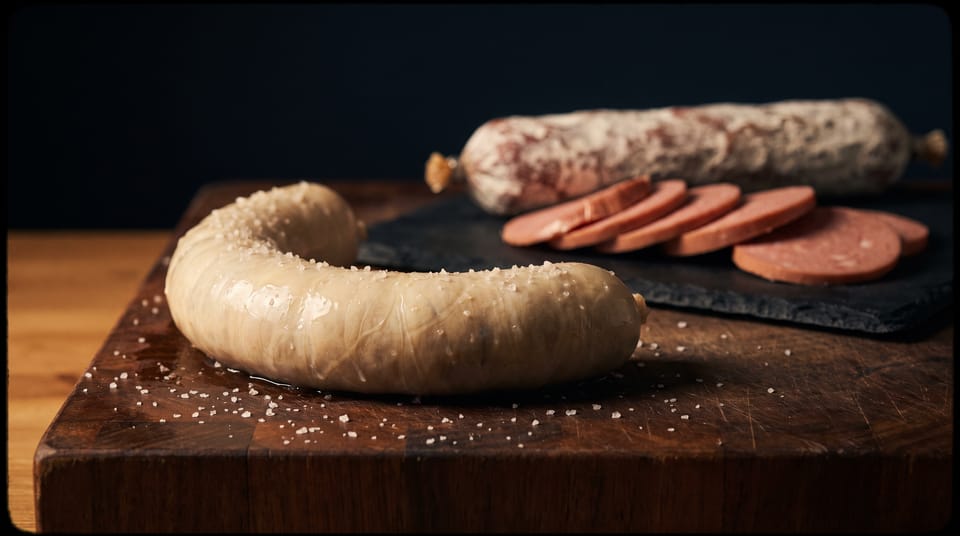
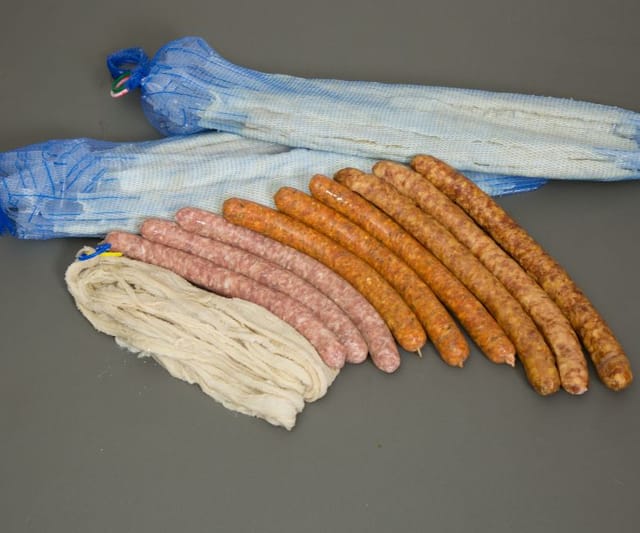
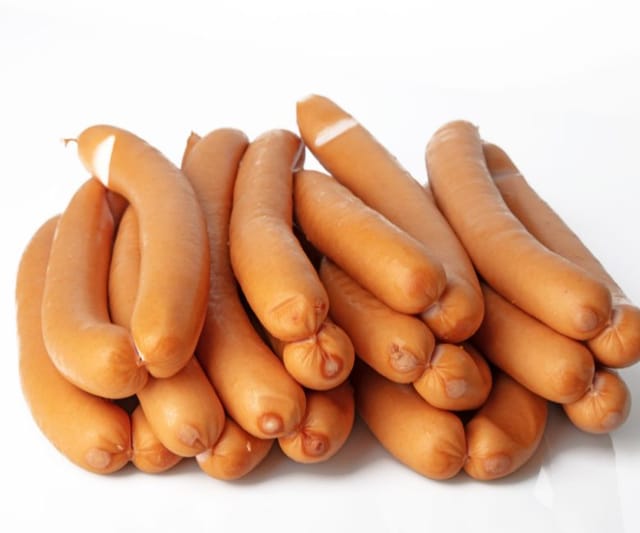
Sheep casings are the casing for small-diameter products: hot dogs and frankfurters, breakfast sausages, sausage sticks, Nacki, merguez, chipolata and salchicha. The calibre depends on the product and the market; our sales team confirms availability per lot. If you are weighing sheep against a small hog calibre, compare hog, sheep and beef casings first, then request a sample in the calibre you run.